Most homes in wet climates are built so that excess water flows down to a low point in the basement or crawlspace. A sump basin/pit is a container or covered concrete hole installed in this low area, to collect water (from runoff and from seepage). A sump pump simply takes water from the basin and discharges it into a municipal storm drain system, an underground drywell or other designated area. There are two types of sump pumps -- pedestal and submersible.
Typical costs:
An average sump pump (pedestal or submersible) for a typical home runs about $100-$300 depending on the horsepower, materials (plastic is less expensive than cast iron or stainless steel), flow rate and the height the water needs to be lifted to discharge it. A sump pump with a built-in backup pump can be $300-$500, and heavy-duty solid-brass sump pumps start around $250-$350, but can go as high as $600-$1,200 for extremely rugged models with a half to a full horse power. Average total costs for a do-it-yourself installation of basin, pump, gravel and cement can run $150-$350.
Labor to replace an existing sump pump with a similar new model runs around $50-$150 or more. An average installation of a sump basin and pump (not including drains) runs about $250-$600 for parts and labor, depending on the quality of the equipment, ease of access and local rates. One homeowner[1] had a plumber install a middle-of-the-line sump pump and basin for $305.
A separate battery- or water-powered backup emergency sump pump is $150-$350 or more, depending on horsepower, flow rate, materials and other features. A backup pump operates during a power outage or if the primary sump pump fails. (Water-powered pumps use municipal water pressure.)
A professionally installed system with a basin, pump and drains in a typical home runs about $2,000-$6,000 for labor and parts, although it can go as high as $10,000-$15,000 for extensive drainage with more than one sump pump.
To add drainage into the sump basin without having to jackhammer through the basement floor, baseboard-style drains can be installed along the inside of the basement walls. Do-it-yourself kits are roughly $10-$13 a foot, or $1,000-$1,300 for 100 feet for a 20x30-foot basement. Professional installation bumps the total cost to $2,000-$2,600 for 100 feet.
Typically found in a basement floor or the crawl space under a home, a sump pump is installed inside a sump basin, sump crock or sump pit. When the basin begins to fill with water, the pump expels the water into a discharge pipe. Sump pumps are designed to operate whenever the water level in the basin reaches a certain level -- which could be round the clock or only during heavy storms, depending on water levels in your home. The pump does not actually gather water from other areas of the home/foundation, it only pumps excess water out of the sump basin.
BobVila.com provides an overview[2] of the different kinds of sump pumps.
A pedestal sump pump costs less, is more easily serviced (since the motor is above the sump basin) and often lasts 20-30 years, but it's conspicuous and could be a hazard with children. A submersible sump pump costs more and only lasts 5-15 years, but is typically quieter and less obtrusive than a pedestal model. Both types of sump pumps range in horsepower from a quarter to 1HP; a 1/3HP sump pump is standard for most homes. North Dakota State University answers frequently asked questions[3] about sump pumps.
It's a relatively simple project to replace an old sump pump with a new one of a similar size (unplug and remove the old one; install and plug in the new one). However, a complete do-it-yourself installation of a first-time sump basin and pump can be hard work, including cutting a hole in a concrete basement floor. ThisOldHouse.com provides a video[4] showing how to install a basin and submersible sump pump, estimating the moderately difficult project could take 6-8 hours.
Shopping for a sump pump:
In addition to horsepower and flow rates, compare the mechanism (manual, automatic or switchless) used to turn the pump on and off when water is present, as well as features such as the length of the power cord (sump pumps should not be used with an extension cord). Home Depot provides guidelines[5] for selecting a sump pump.
The Sump and Sewage Pump Manufacturers Association provides a list of sump pump manufacturers. Sump pumps are available in most plumbing supply or home improvement stores, and can be installed by a plumber, contractor or someone with strong plumbing skills.
7 Lesser-Known Discounts for the 50+ Crowd As they age, members of the Baby Boomer generation don't like to admit that they're senior citizens, but they love getting discounts. It's kind of a quandary, because some of the best deals available are reduced prices for older folks. || Posted October 21 2013
7 Ways to Stretch Your Reduced Food Budget End of the year budgets are tight for everyone, especially in this economy.It's especially hard for the millions of Americans who depend on government programs like food stamps to help make ends meet. || Posted November 11 2013
We installed a water powered backup ourselves, our only cost was in buying the pump. The rest was just cutting and gluing pipes. We couldn't be happier, when the power goes out and the batteries all die, this pump will keep on going. Uses our municipal water source. For every 1 gallon used this pumps out 2 gallons. http://www.plumbingmall.com/water-powered-sump-pump-sj10/
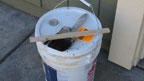
The material Sump pump, 4 bags of Gravel, 1.5" to 1" adapter, flexi Pipe cost about $200 and $250 Paid to handyman in Labor to dig the hole (This place was wet and muddy as hell) for a 5 gallon Bucket to set in the ground. The flexi pipe brings water out from the crawl space to outside the house going in to existing French drain.
Unfortunately your mother was taken for a ride... unless there is more work being done, ALOT more work being done. Are they drilling into concrete and making a new sewer outlet, then connecting it to the main sewer line outside? Is it an overhead sewer system? (not really overhead). Call the main Roto Rooter regionial office and complain. Also call your local States Attourney. The fact that there was no detailed paper estimate provided sounds like your mom is being scammed.
Problem : Owner had large volumes of water pooling under house. Do to property situation redirecting the water away from house was not possible. Work Description: Installed a sump pump under a 1 story house with a crawl space access of approx 24". Installation consisted of digging hole to install pump and resovoir (by small hand tools in confined space). Run electrical to a manual on/off switch 20' ft away. Materials and Equipment Cost: Total $150-$225 Pump cost is $100 to $175. Resovoir -5 ga bucket with holes drilled in ($3)-water line to remove water ($10)- electrical wire and switch($25) Labor: approx $240-$280 To install entire system took Approx 6-7 hours but the majority of time was digging out the hole for the bucket in a tight muddy crawl space. Running the electricl up into the house with a light switch in wall took 1.5 hours. Total Typical Cost : $350 to $450
Installer chopped up some cement in basement floor and installed pump inside a plastic trash basket that had the bottom cut out. He added plastic pipes and it empties into our set-tubs by the washing machine. I added some layers of filtering material so the sand that is picked up in the spring's rain water, won't slow the drain down. Roto Rooter is a thief! Three days cooling off period on contracts=cancel it. Call the BBB & perhaps an attorney. Always get 3+ estimates.
My 87 year old mother was just told by Roto Rooter it would cost her 11,000 for a submersible sump pump to be instaled and connected to her city sewer. Does this sound right? They refused to give her a detailed paper estimate prio to the job being done. She signed papers and gave them 6,000 up front.
A contractor came with a crew to instal a new Sump Pump in the basement,opened some holes in the existing basin so the water can go somewhere (?? To my surprise the old basin is still in there and the contractor said that wasn't changed because I did't ask for it (?)
CostHelper is based in Silicon Valley and provides consumers with unbiased price information about thousands of goods and services. Our writers are experienced journalists who adhere to our strict editorial ethics policy.
CostHelper Community
UTI urgent care visit Paid: 147.00 Visit was $135. Antibiotics was $12. Waiting for four hours in the waiting room and the visit was quick... [more]
Spanish Medical Interpreter Paid: 150.00 I worked with SynShyne Services out of Monroe, NC. They were so worth the price! Professional, friendly, accurate, great attitude and always on time. I recieved an itemized report after every contact and a user friendly invoice weekly... [more]
Skin prick allergy test Paid: 573.00 Took my 9 yr. old in after an allergic reaction to eggs. Several panels for nuts, fish & top 8 allergens. Sure enough, egg came up. Got a script for epinephrine and left... [more]






 Post
Post